- What are ASX rare earths shares?
- Why invest in rare earths?
- 1. Surging Demand from Green Tech
- 2. Strategic Importance and Government Backing
- 3. Australia’s Competitive Advantage
- 4. Market Volatility and Risks
- Top rare earths stocks on the ASX
- Lynas Rare Earths
- Iluka Resources
- Arafura Rare Earths
- Pros of investing in rare earths shares
- And the cons
- Are ASX rare earths stocks a good investment?
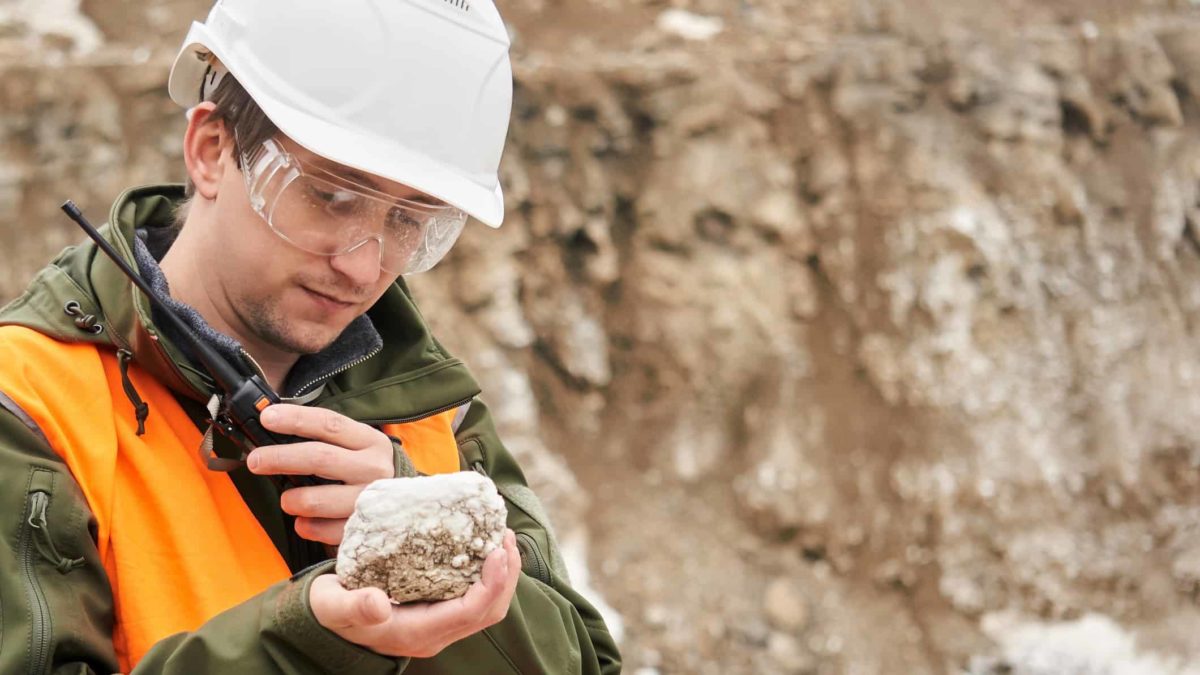
Image source: Getty Images
What are ASX rare earths shares?
Companies listed on the Australian Securities Exchange (ASX) that are involved in the exploration, mining, production, processing, refining or distribution of rare earth elements are commonly referred to as ASX rare earths shares. These stocks span the rare earths value chain and often include miners, developers, and emerging processing firms. A 2025 report by AMEC found that Australia remains one of the largest holders of rare earths globally, placing fourth overall1.
Rare earths consist of 17 chemically similar metallic elements on the periodic table known for their unique magnetic, catalytic, and electrochemical properties. These properties make them essential inputs in a wide range of modern technologies — from high‑performance permanent magnets to advanced electronics used in smartphones, electric vehicles (EVs), wind turbines, and defence systems.
The rare earth elements group includes neodymium, praseodymium, dysprosium, terbium, and others that are critical to permanent magnet production. These magnets are integral to EV motors, wind turbine generators, robotics and other clean‑energy technologies, which underpin much of the future demand growth.
Why invest in rare earths?
Investing in ASX rare earths shares provides exposure to the "green energy transition" and a global push for supply chain diversification. Here are some factors to know as you consider investing in rare earths.
1. Surging Demand from Green Tech
The global rare earth elements market is projected to grow from US$8.1 billion in 2024 to over US$15 billion by 2030 (a CAGR of 11.7%)2. This is largely driven by the rapid adoption of EVs and the expansion of offshore wind farms. For instance, the International Energy Agency (IEA) notes that meeting net-zero goals could require a three-to-sevenfold increase in the demand for magnet rare earths by 2040.
2. Strategic Importance and Government Backing
To reduce reliance on international monopolies, the Australian Government has integrated rare earths into its Critical Minerals Strategy 2023–2030. In early 2026, the government announced a $1.2 billion Critical Minerals Strategic Reserve, specifically targeting rare earths to ensure domestic supply security. Furthermore, the $5 billion Critical Minerals Facility provides low-cost loans and equity to ASX-listed projects (like Arafura's Nolans project) to accelerate production3.
3. Australia's Competitive Advantage
Australia is moving beyond just mining raw ore. New domestic refining facilities such as the Kalgoorlie Rare Earths Processing Facility and the upcoming Eneabba refinery are designed to capture more value from the supply chain, moving Australia from a "dig and ship" economy to a global processing hub.
4. Market Volatility and Risks
While the outlook is positive, investors should remain aware of specific risks:
- Price Volatility: Investing in these shares can be risky because the rare earths market is highly volatile and subject to fluctuations in supply and demand. Rare earth prices can be highly sensitive to Chinese export quotas and global industrial output.
- Capital Intensity: Building refineries is extremely expensive and technically complex, often leading to project delays or funding requirements.
- Environmental Oversight: Rare earth processing involves managing radioactive by-products (like thorium), requiring strict adherence to Australian environmental regulations.
Top rare earths stocks on the ASX
More than 30 rare earths stocks are listed on the ASX, ranging in size from micro to large-cap companies.
Junior explorers such as Nova Minerals Ltd (ASX: NVA) and Prospect Resources Ltd (ASX: PSC) have market capitalisations below $100 million.
Here are three of the top ASX stocks ranked by market cap from highest to lowest.
| Company | Description |
| Lynas Rare Earths Ltd (ASX: LYC) | Operates one of the world's premier rare earths deposits in Western Australia, as well as the world's largest single rare earths processing plant in Malaysia |
| Iluka Resources Limited (ASX: ILU) | Is building Australia's first fully integrated rare earths refinery, which will have the capability to produce both light and heavy rare earths oxides |
| Arafura Rare Earths Ltd (ASX: ARU) | Is developing the Nolans Project, a globally significant and strategic neodymium and praseodymium project |
Lynas Rare Earths
Lynas operates the Mt Weld mine in Western Australia, one of the world's premier rare earths deposits, and the world's largest single rare earths processing plant in Malaysia. It produces high-quality separated elements for export to manufacturing markets in Asia, Europe, and the United States. Its rare earths are used in electronics, wind turbines, and hybrid and electric vehicles. As part of its 2025 growth strategy, Lynas is expanding with a planned processing facility in Kalgoorlie, Western Australia.
In 2026, Lynas announced a major supply agreement with the U.S. Department of War, involving US$96 million in rare earth oxide offtake and a US$110/kg floor price for NdPr oxide. Covering deliveries over four years, the deal strengthens U.S. supply chains for critical rare earths and follows adjustments to an earlier arrangement at the Seadrift, Texas facility. Further discussions are underway for Heavy Rare Earth oxides.
CEO Amanda Lacaze noted the agreement ensures the U.S. Defense Industrial Base continues to access essential rare earth oxides while Lynas serves strategic customers globally. The share price has reflected this momentum, rising around 172% over the past 12 months, significantly outperforming the S&P/ASX 200 Index.
Iluka Resources
Iluka is building Australia's first fully integrated rare earths refinery at Eneabba, Western Australia. As of early 2026, engineering is more than 95% complete, with commissioning targeted for 2027. Because Iluka's rare earths are co-products of its mineral sands operations, the refinery maintains a significantly lower mining footprint than many traditional producers.
Industries will use the refined oxides to create the permanent magnets essential for wind turbines and EVs—sectors expected to drive long-term demand despite a "challenging" 2025 for the broader mineral sands market. Following a strategic cost reset and the commencement of mining at the high-grade Balranald site in January 2026, management expects decreased capital expenditure and stronger momentum for its rare earths division moving forward.
Beyond magnets, the refinery's output is critical for manufacturing catalytic converters for emission control in hybrid vehicles, modern rechargeable batteries, and high-strength alloys for aircraft engines. According to Managing Director Tom O'Leary, the company's focus remains on "disciplined delivery" as it advances offtake discussions and ramps up its diversified production mix.
Arafura Rare Earths
Arafura's operations center on the Nolans Project, a globally significant neodymium and praseodymium (NdPr) development located 135km north of Alice Springs in the Northern Territory. These two rare earths are the primary raw materials for ultra-strong permanent magnets, positioning the project as a major future supplier to the high-performance magnet market.
The company is currently transitioning from a capital-intensive development phase toward becoming a viable producer. Recent financial results for the half-year ending 31 December 2025 showed a narrowing net loss of A$12.99 million (down from A$18.85 million the prior year). While this reflects improved sentiment and a push to keep key staff aligned through 2026, the company remains in a pre-revenue stage.
Near-term catalysts for Arafura include securing final funding on acceptable terms, progressing offtake agreements, and managing execution risks. While Arafura also holds exploration projects across the Northern Territory and Western Australia, the "disciplined delivery" of the Nolans mine and processing plant remains the core focus for investors.
Pros of investing in rare earths shares
Increasing demand: A wide range of industries use rare earths metals, including renewable energy, electronics, defence, and medical technology. As these industries continue to grow, the demand for rare earths is expected to increase, creating potential investment opportunities.
Innovation: The sector constantly evolves, with rare earths companies developing new technologies and processes for extracting and refining these elements.
Diversification: Investing in rare earths stocks allows investors to access a sector that is not closely tied to traditional industries such as finance, energy, or manufacturing, so they can provide diversification benefits for a portfolio.
Environmental benefits: Rare earths metals are essential components in renewable energy technologies such as wind turbines and EVs. Investing in rare earths shares may support the transition to a more sustainable, low-carbon economy.
And the cons
Volatility: The rare earths market is volatile, with prices and demand subject to rapid fluctuations. This can make investing in rare earths shares a high-risk proposition, as sudden changes in market conditions can lead to significant losses.
Environmental risks: Rare earths mining and production can have significant ecological impacts, including generating toxic waste, water pollution, and habitat destruction. These risks can lead to regulatory scrutiny, public opposition, and reputational damage that can harm the performance of rare earths shares.
Concentrated supply: The production of rare earths is concentrated in a few countries, particularly China. This can lead to supply chain disruptions, price manipulation, and political risks that can negatively impact performance.
Technological advances: The market for rare earths is constantly evolving, with new technologies and materials that compete with traditional rare earths products. This leads to shifting demand patterns and price pressures.
Are ASX rare earths stocks a good investment?
Whether ASX rare earths shares are a good investment will depend on your financial goals and situation, investment strategy, time horizon, and risk tolerance.
They may not suit conservative investors who dislike large share price fluctuations due to volatility. On the other hand, if you have a lengthy time horizon and are willing to grin and bear the volatility, rare earths shares may offer some impressive long-term returns.
With limited supply and growing demand, rare earths companies have the potential to earn high profits. However, the industry can be risky, and subject to fluctuations in demand, supply disruptions, and changes in government policies.